Lighting a small stage on a smaller budget
Good lighting is less about how many fixtures you own than about where you point the few you have.
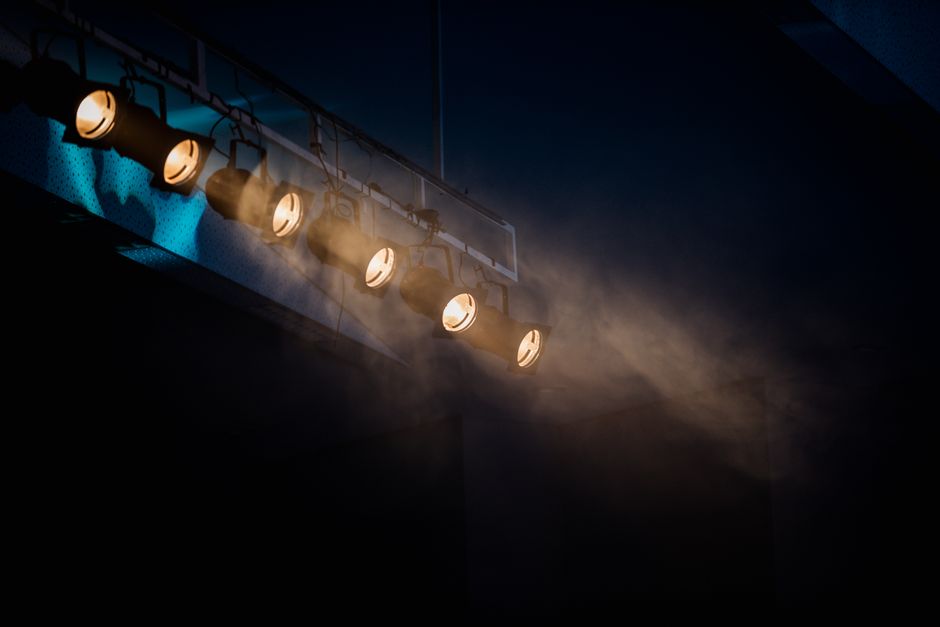
Most small companies inherit a rig rather than choose one: a handful of mismatched lanterns, a dimmer that hums, and a board that someone's cousin set up in 2011. The temptation is to treat that as the problem. It usually isn't. Almost every lighting failure we've seen on a small stage comes from pointing lamps badly, not from owning too few.
Three lamps, one scene
A key, a fill and a backlight will shape almost any moment. The key does the work, the fill softens what the key leaves harsh, and the backlight separates the actor from whatever is behind them. Get those three angles right and a bare stage reads as a room. Add colour sparingly; a single warm wash reads as evening far better than a rig full of gels used badly.
Sound is half the set
A distant train, a clock, a room tone — audiences build the world you suggest. Design the ear, not just the eye. Sound is also the cheapest scenery there is: a recording costs nothing to hang and never falls over mid-scene. The discipline is restraint. One well-placed sound holds a world; four competing ones just sound like a soundtrack.
Set: build less, choose better
A small stage punishes clutter. Two well-made pieces that the actors can move themselves beat a detailed box set that eats the wings and takes twenty minutes to strike. Think about what the play needs the audience to believe, and build only that.
The habits that save a show
- Focus the rig with an actor standing in it, not with a chair.
- Write the cue sheet so someone else could run it cold.
- Label every cable. Every single one.
- Run a full technical rehearsal, even when the schedule says there's no time.
Much of this transfers to a film set, where the same questions get asked with a larger crew and a tighter clock. The production notes at desert highway pictures are written from that side and are worth a read if you ever light for a camera.
We teach a lot of this at our community workshops.